
Purchase loan
USDA Loans for Rural and Suburban Homes
If you're buying outside a big city, a USDA loan may let you purchase with little or no money down, as long as the home and your household income qualify.
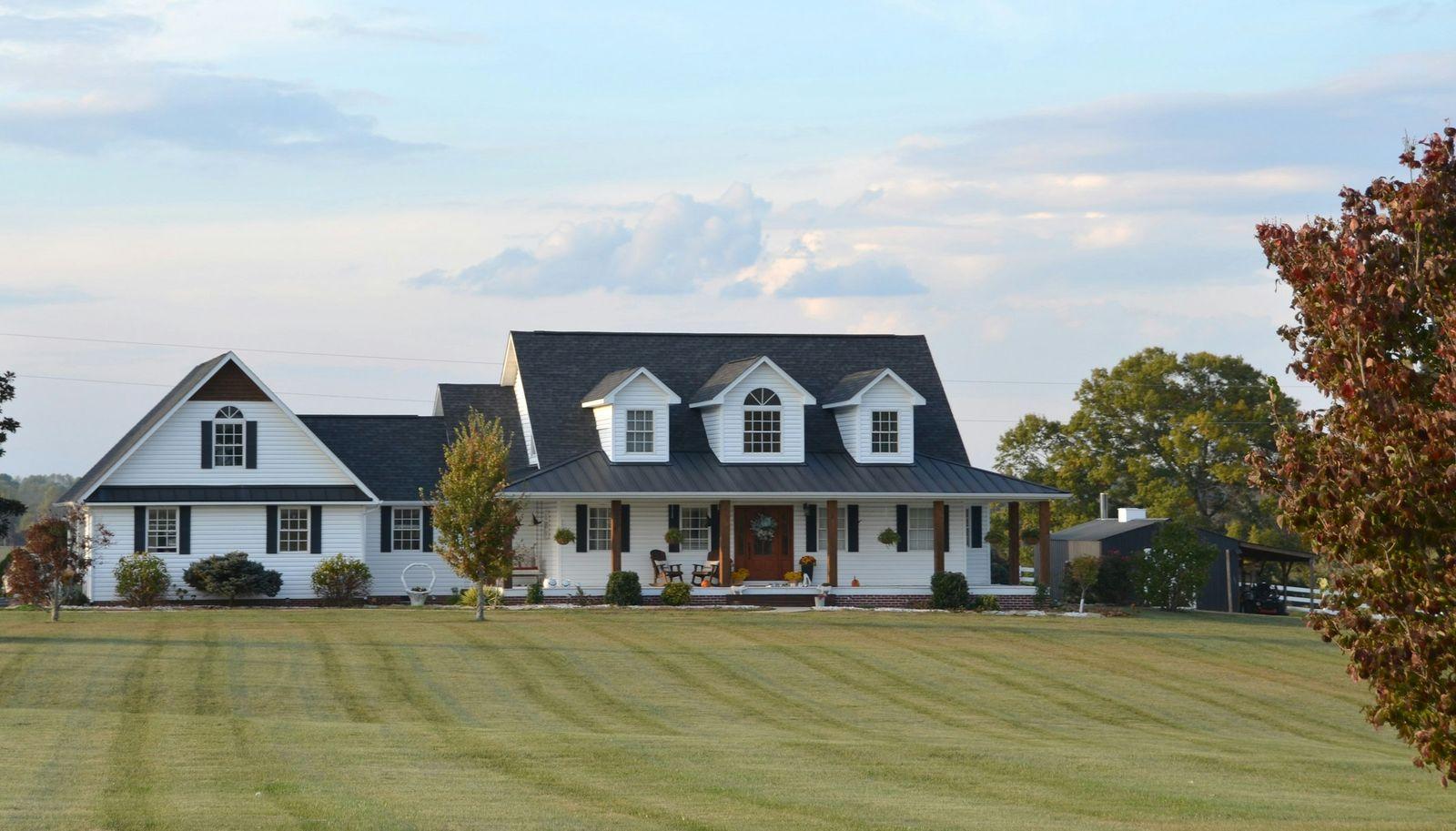
- Best for
- Low- to moderate-income households buying a primary home in a USDA-eligible area, especially those without a large down payment saved.
Buying a home with little or nothing down may sound out of reach, but for households in the right locations it can be possible. The USDA guaranteed loan program helps low- and moderate-income buyers purchase homes in eligible rural and some suburban areas, and eligible buyers may not need a down payment.
Despite the name, you don't need to live on a farm. Many small towns and communities on the edges of larger metro areas qualify. This page explains how USDA loans work, who they're for, what they cost and how to find out whether a home you're considering is in an eligible area.
What a USDA loan is
The program's full name is the USDA Single Family Housing Guaranteed Loan Program, and it's run by USDA Rural Development. Under the guaranteed program, USDA doesn't lend the money itself. Instead, it guarantees loans made by approved private lenders, such as mortgage companies, banks and credit unions.
That guarantee works much like the insurance behind FHA loans or the guarantee behind VA loans. If a borrower doesn't repay, USDA covers part of the lender's loss. Because the lender takes on less risk, the program can allow little or no down payment for eligible buyers.
Who USDA loans are for
USDA loans are designed for low- and moderate-income households buying a home to live in. To qualify:
- The home must be in an eligible area. USDA publishes eligibility maps, and the address has to fall inside an eligible zone. Many rural towns and some suburban areas qualify, while most larger cities don't.
- Your household income must be within the limit. Limits vary by county and by household size. USDA generally counts income from every adult in the household, not only the people on the loan.
- The home must be your primary residence. USDA loans can't be used for second homes, vacation homes or rental properties.
Within those rules, you can use a USDA loan to buy an existing home, a newly built home and, in some cases, a home that needs certain repairs.
How USDA loans work
Down payment
Eligible buyers may be able to finance the full purchase price, so a down payment may not be required. You'll still have closing costs to plan for, and a loan officer can explain the ways they may be handled in your situation.
Guarantee fees instead of PMI
USDA loans don't use private mortgage insurance (PMI). Instead, they have two program fees:
- An upfront guarantee fee, charged at closing. It can usually be added to the loan amount.
- An annual fee, divided into monthly installments and included in your mortgage payment.
These fees serve a purpose similar to mortgage insurance, so include them when you compare costs. USDA sets the fee amounts, and they can change.
Other features
- There's no prepayment penalty, so you can pay extra or pay off the loan early.
- The home must appraise for the purchase price and meet USDA's property standards.
What lenders look at
Beyond location and income, you'll need to qualify much as you would for most mortgages. Lenders review:
- Credit history. You don't need perfect credit, but lenders look for a record of paying bills on time and may set their own minimum scores.
- Steady income. You'll need reliable income and a stable work history, documented with items such as pay stubs, W-2s and tax returns.
- Debt-to-income ratio (DTI). This compares your monthly debt payments with your gross monthly income, and USDA has guidelines for how high it can be.
Steps to buying with a USDA loan
- Check eligibility early. Look up the addresses you're interested in on USDA's map and compare your household income with the limit for your county.
- Get pre-approved. A lender reviews your credit, income and debts and confirms whether the program is a fit.
- Shop in eligible areas. Your real estate agent can help you focus on homes in qualifying locations.
- Appraisal and underwriting. After your offer is accepted, the home is appraised and the lender completes its review. USDA also reviews the loan as part of issuing its guarantee.
- Closing. You sign the final documents and get the keys.
Trade-offs to consider
The biggest advantage is buying with little or no money down, which can help you become a homeowner sooner than if you waited to save. The trade-offs are the location and income limits, which rule out many buyers and homes, and the annual fee that stays part of your payment. Because USDA loans are limited to eligible areas, you may also have fewer homes to choose from. If you're not sure USDA is the right fit, compare it with FHA loans and other low down payment options.
Checking whether you qualify
A good first step is to check the property address and your household income against USDA's limits. A Federal First Lending loan officer can help you confirm both, review your credit and income, and explain how a USDA loan compares with other programs. If you're buying for the first time, our first-time home buyer guide walks through the rest of the process. When you're ready, request a quote or contact us with questions.
Federal First Lending is a private mortgage lender. We are not affiliated with, and do not act on behalf of, USDA or any other government agency.
Ask about a USDA home loan
Complete the form to talk with a loan officer about buying a home with a USDA loan.
What are your goals?
We are committed to helping you reach them.
Frequently Asked Questions
Do I have to live on a farm to get a USDA loan?
No. USDA guaranteed loans are home loans, not farm loans. The program is for buying a primary home in an eligible rural or suburban area, and many small towns and communities near larger cities qualify. The home doesn't need acreage or any agricultural use. What matters is that the address is in an eligible area and your household meets the income limits.
How do I find out if a home is in an eligible area?
USDA publishes property eligibility maps online, and you can look up a specific address to see whether it qualifies. Eligibility is based on location, not on the style of home. The maps can be updated over time, so check each address you're seriously considering. A loan officer can also confirm eligibility before you make an offer.
How do USDA income limits work?
USDA sets maximum household income limits that vary by county and by the number of people in your household. The program generally looks at income from all adults living in the home, even those who won't be on the loan. Certain deductions, such as for dependents or child care costs, may apply. A loan officer can help you see where your household falls.
Is the USDA annual fee the same as mortgage insurance?
Not exactly, but it plays a similar role. USDA loans don't use PMI. Instead, they have an upfront guarantee fee, which can usually be added to the loan, and an annual fee that's paid in monthly installments with your mortgage. Because the annual fee is an ongoing cost, include it when you compare a USDA loan with other options.
Can I refinance a USDA loan?
If you already have a USDA loan, USDA offers streamlined refinance options that may reduce paperwork for eligible borrowers. These are generally limited to homeowners whose current mortgage is a USDA loan and who meet the program's payment history rules. If you have a different type of loan or other goals in mind, a loan officer can review which refinance options may fit.