
Specialty loan
Financing a New Build From Groundbreaking to Move-In
Construction financing pays for your build in stages, then can turn into a long-term mortgage when the home is finished. We can help you explore options for your project.
- Best for
- Owner-occupants planning a new home or a major rebuild who have a qualified builder, detailed plans and room in their budget for surprises.
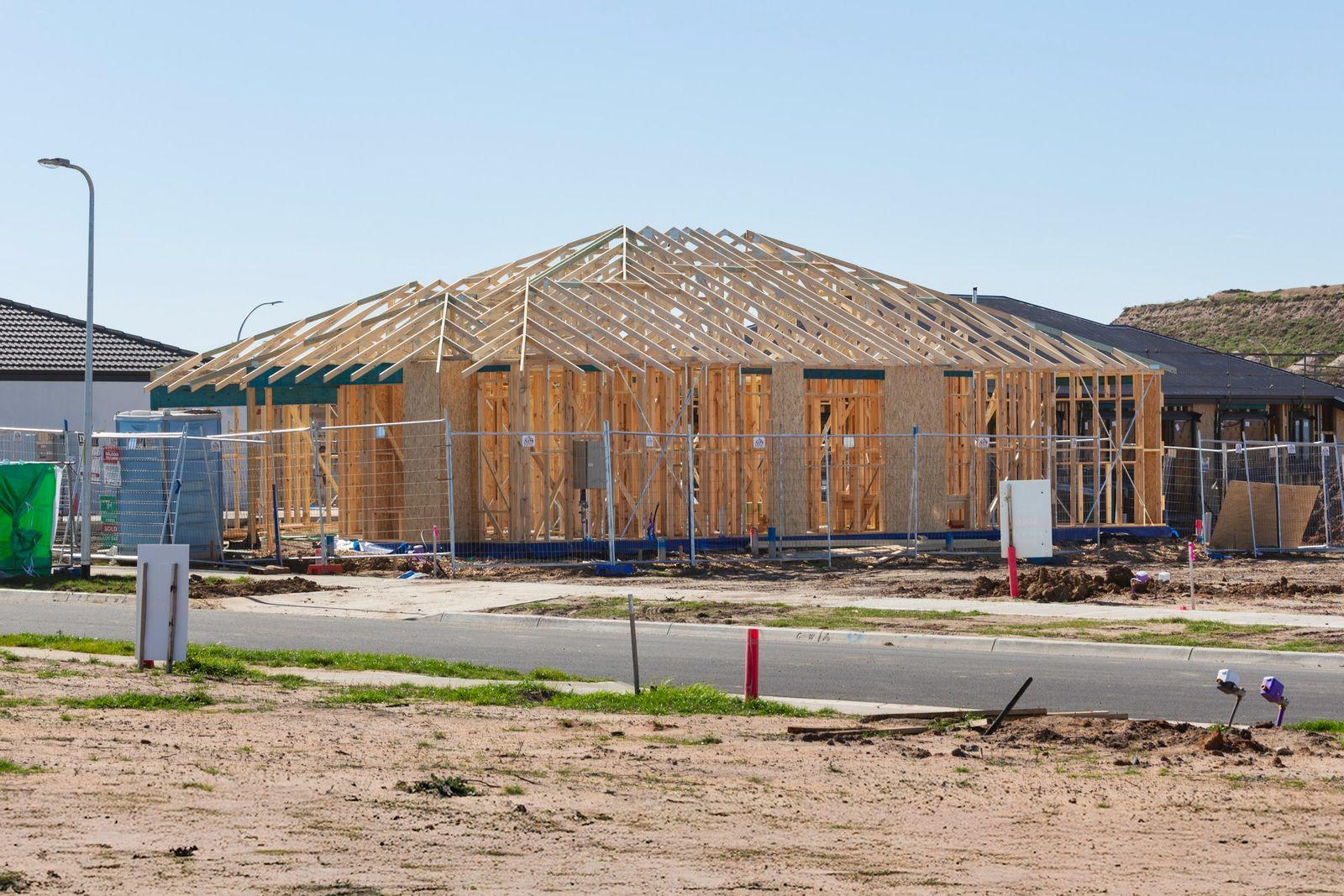
Buying an existing house is one transaction. Building one is a project that unfolds over months, and the financing works differently. A construction loan covers the costs of the build, such as materials, labor and permits, and pays them out in stages as the work progresses. During construction, payments are usually interest-only on the amount paid out so far.
When the home is finished, the construction financing is replaced by a regular long-term mortgage, either through a conversion built into the original loan or through a separate loan. Federal First Lending can help you explore construction financing, compare structures, and plan for the costs that come with building.
Plan Your Build Financing
Tell us about your project and a loan officer will reach out to talk through construction loan options.
What are your goals?
We are committed to helping you reach them.
Construction lending has more moving parts than a standard purchase loan. Understanding how the pieces fit together makes it easier to plan your budget and schedule with your builder.
One closing or two
Financing for a new build is usually structured in one of two ways.
Construction-to-permanent (one-time close). A single application and closing cover both the build and the long-term mortgage that follows. When construction is complete, the loan converts to a permanent mortgage with regular principal and interest payments. You pay one set of closing costs and generally don't need to qualify again at the end.
Construction-only, then an end loan (two-time close). The first loan covers just the build. When the home is finished, you take out a separate long-term mortgage, called an end loan or take-out loan, to pay off the construction loan. That means two applications and two sets of closing costs, and you'll need to qualify again when the home is done. Some borrowers like the chance to shop for permanent financing once the house is built.
How interest works during construction, and when the rate on the permanent loan is set, vary from program to program. Ask about both before you commit.
If you're remodeling an existing home rather than building from the ground up, a renovation loan that rolls improvement costs into your mortgage may fit better.
How draws and inspections work
A construction loan doesn't pay out the full amount on day one. The lender releases money in a series of draws tied to milestones in the build, such as the foundation, framing, roofing and final finishes. A typical cycle looks like this:
- The builder completes a stage of work and requests a draw.
- An inspector visits the site to confirm the work matches what was billed.
- The lender may update the title check and collect lien waivers, which are signed statements from the builder and suppliers confirming they've been paid for earlier work.
- The lender releases the funds for that stage, often straight to the builder.
During the build, you typically pay interest only on the money drawn so far, so payments tend to start small and grow as the work moves along.
What lenders look for
Because a home under construction is riskier collateral than a finished one, lenders review both you and the project closely.
About you
- Your credit history and score. Requirements are often stricter than for a typical purchase loan.
- Steady, documented income.
- Your debt-to-income ratio, or DTI, which compares your monthly debt payments with your gross monthly income.
- Cash for the down payment, closing costs and reserves (savings left over after closing).
About the project
- A licensed, insured builder the lender approves, usually with a track record and references
- Complete plans and specifications
- A signed construction contract and an itemized budget, often with a contingency reserve (a cushion set aside for overruns)
- Building permits and plans that meet local codes
- An appraisal based on the plans, estimating what the finished home will be worth
- A draw and inspection schedule
From application to move-in
The process generally unfolds like this:
- Talk with a loan officer about your project, budget and timeline, and which loan structure fits.
- Choose your builder and finalize plans. The lender will review the builder's credentials along with your plans, contract and budget.
- Apply and submit documents for both you and the project.
- Appraisal and underwriting: the appraiser values the home as it will be when finished, and the lender's underwriter reviews your full file in detail.
- Close on the loan. Construction can begin, with funds paid out through the draw schedule.
- After the final inspection, the loan moves into its permanent phase, or your end loan pays off the construction loan.
Keep your loan officer in the loop if plans, budgets or schedules change along the way.
Weighing a build against buying
Building lets you choose the layout, finishes and features, and you start out with new systems and materials. It also asks more of you:
- More paperwork and a closer review than a typical purchase loan.
- Costs that can shift. Material prices, weather and labor availability can all push the budget up.
- Two housing costs at once. You may be paying rent or an existing mortgage while also making construction-phase payments.
- Pricing. Depending on the program, construction financing can cost more than a standard mortgage.
Whether building costs more than buying depends heavily on local land, labor and material prices. Comparing your full build budget with homes for sale in the area you want can help you decide. Our affordability calculator is a good place to start.
How we can help
Every build is different. A Federal First Lending loan officer can help you explore construction financing options, compare one-time and two-time close structures, and work out the cash and documents you'll need before you sign with a builder. Starting the conversation early, ideally while your plans are still taking shape, gives you time to line up the details. When you're ready, request a quote or get pre-qualified.
Frequently Asked Questions
Can a construction loan cover the land, too?
It can, depending on the program. Some construction loans can finance the lot purchase along with the build. If you already own the land, the equity you have in it may count toward the money you need to bring. Any loan still owed on the lot is usually paid off when the construction loan closes. Have your lot details handy when you first talk with a loan officer.
Can I act as my own general contractor?
Some people want to manage the build themselves to save on labor costs. Financing for this, often called an owner-builder loan, is harder to find because many lenders require a licensed, approved builder. If you have relevant experience and credentials, we can help you explore whether any options fit. Keep in mind that juggling subcontractors, inspections and draw requests is a demanding job.
What happens if my project goes over budget?
Cost overruns are usually your responsibility, not the lender's. That's why many lenders build a contingency reserve into the budget and why it's wise to keep extra cash on hand. Changes to the plans after closing, known as change orders, often need lender approval because they can affect the home's value and the draw schedule. Review any change with your builder and loan officer before work starts.
What if the appraisal comes in below the cost to build?
The appraiser estimates the finished home's value from your plans and recent local sales. If that value lands below your total project cost, the lender may lend less than you expected. You might cover the gap with more cash, scale back the plans or renegotiate with your builder. Getting an early sense of likely value can help you set a realistic budget.
What if construction takes longer than planned?
Construction loans set a deadline for finishing the work. If the build runs late, an extension may be possible, but it can come with added costs, and any rate commitment on your permanent loan could be affected. Ask how extensions work before you close, and build some slack into the schedule you agree on with your builder.